

fields
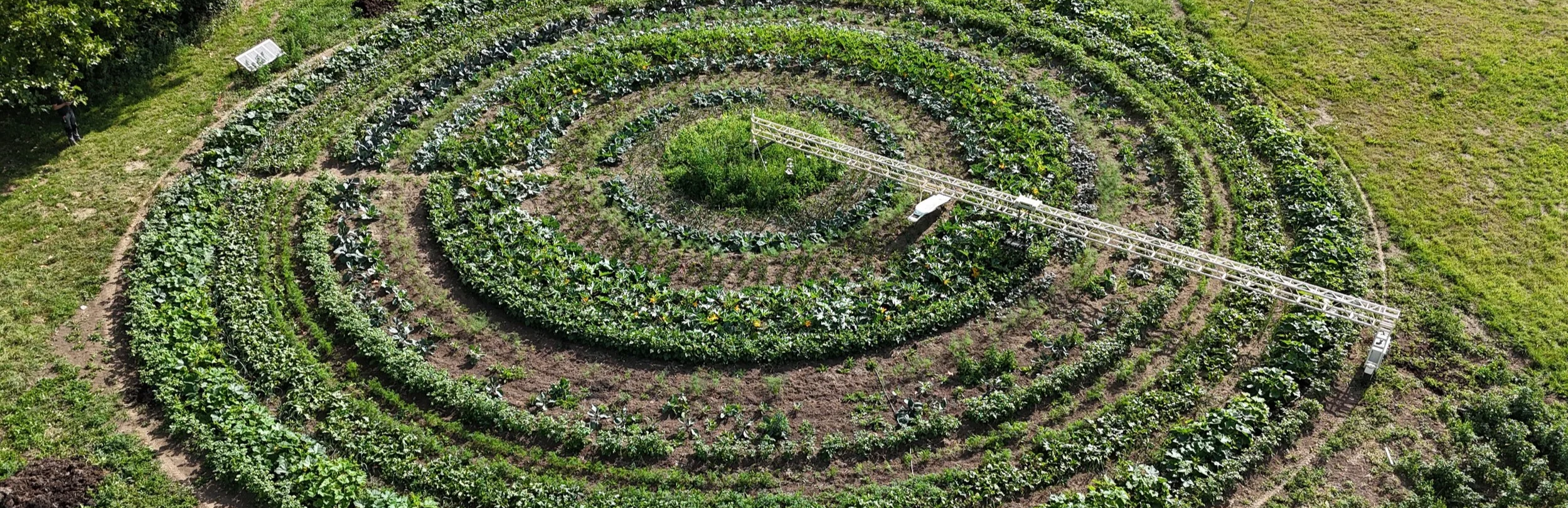
The Circlefarming Compass - and with it, the Circlefarm field - comes in three sizes:
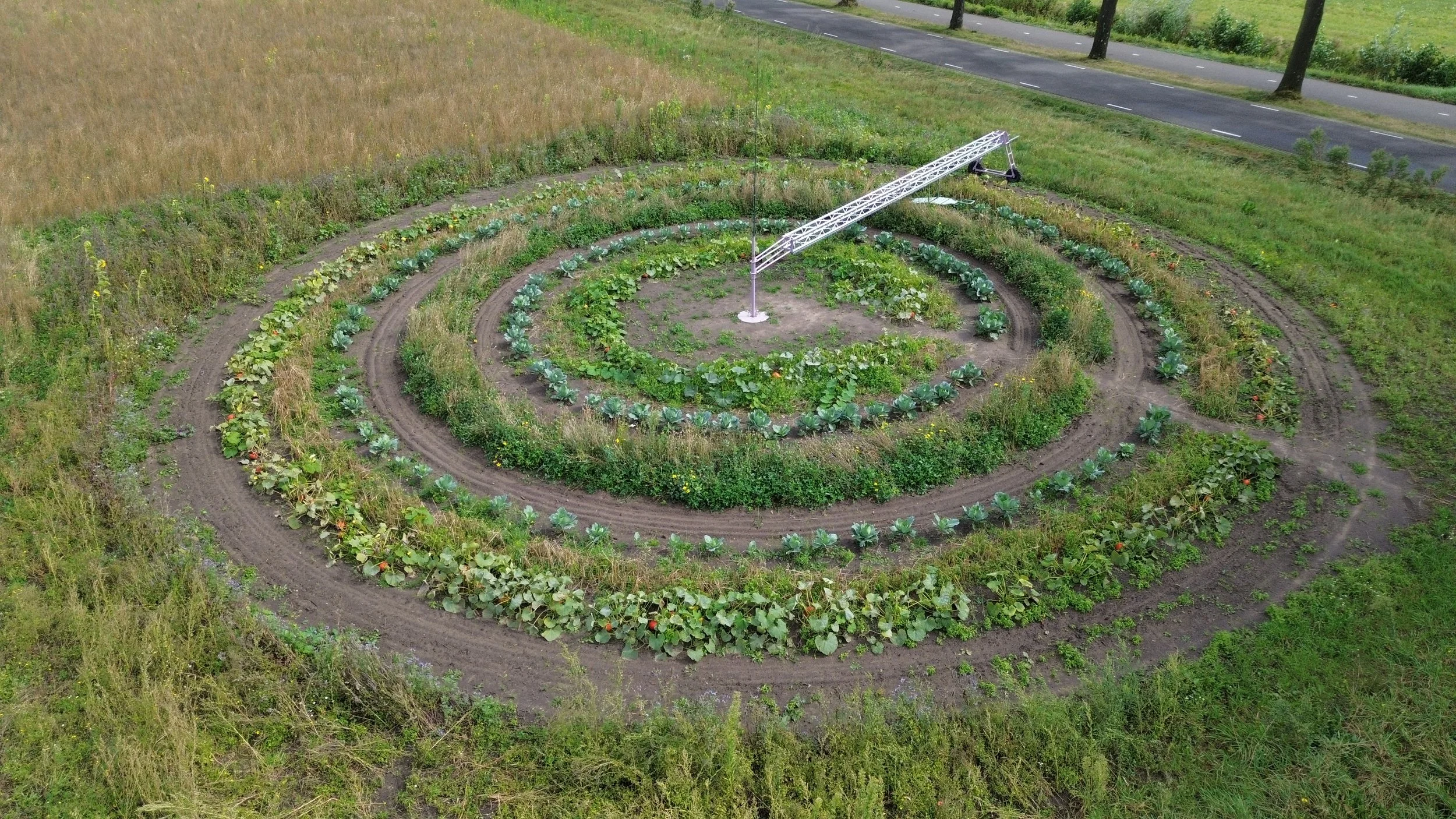
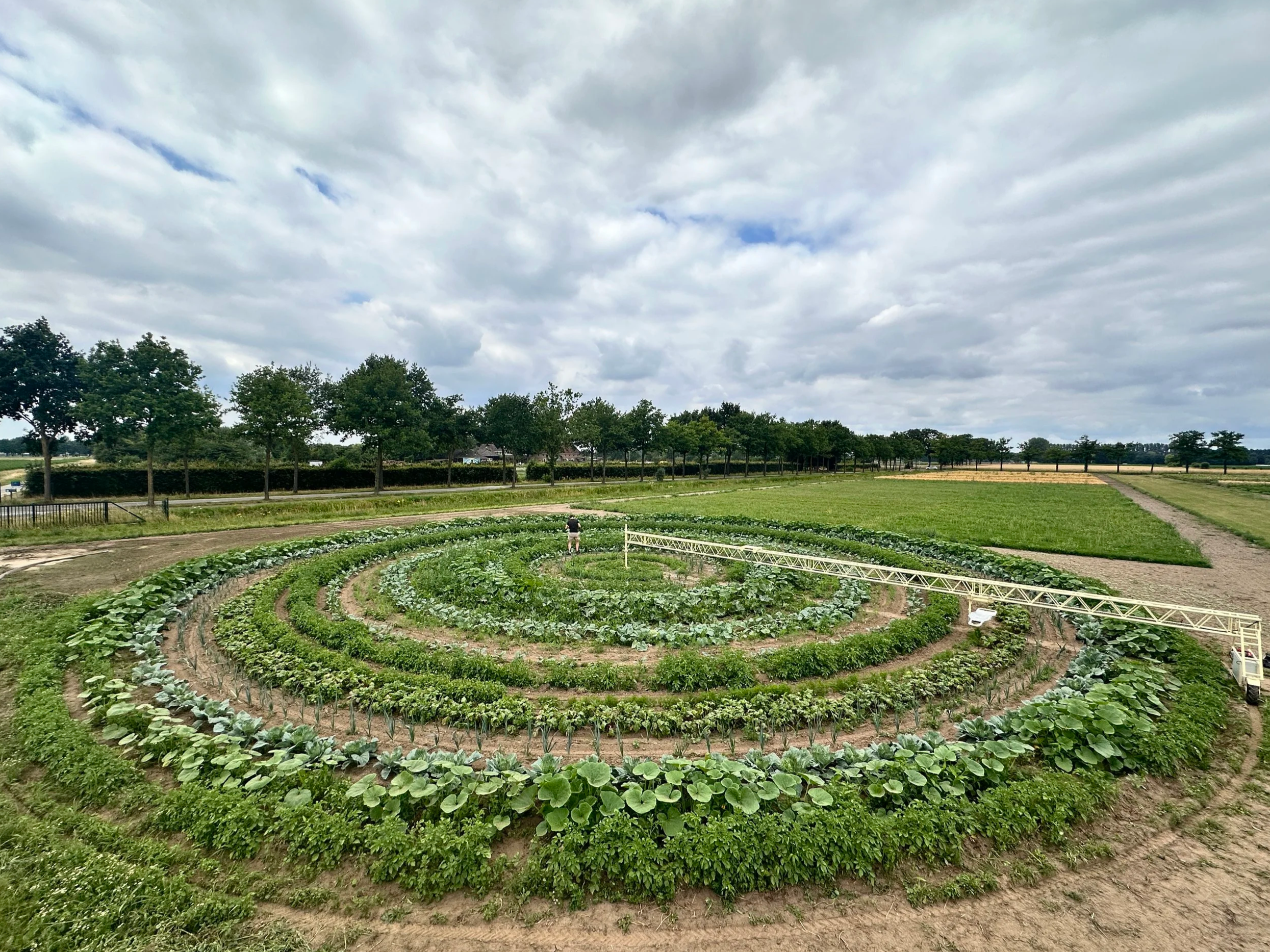
10 meter Compass
Field size: Ø20 meter.
Effective crop surface size: 302 m2.
This is a Compass of 10 meters for a communal garden with 2 work beds and a basic set of tools for ploughing, harrowing and light tillage. Think of vegetable gardens that are managed by groups in, for example, a cohabitation complex or a neighborhood. With the increasing requirement of vegetable garden locations in new housing projects, this 10 meter Circlefarm can offer a format that allows communities to get started directly, safely, comfortably and connected to other Circlefarmers.
15 meter Compass
Field size: Ø30 meter.
Effective crop surface size: 691 m2.
The Circlefarm method is most suitable for CSA (Community Supported Agriculture) farms and horticultural companies, which are in close contact with their customers (short chain) and where part-time farmers or volunteers participate in growing food. The combination of safe and widely applicable tools - also usable by inexperienced farmers - and the knowledge that can be shared by using data smartly makes
20 meter Compass
Field size: Ø40 meter.
Effective crop surface size: 1.238 m2.
The beauty of the landscape design plan that goes with Circlefarming also fits in with CSA values such as soil enrichment, biodiverse and fun during work. Possibly living between the circular field also fits in with CSAs that are often close to cities and villages.
Circlefarming in Wageningen
In 2024, the first test location was built - a Circlefarm with a 10-meter Compass - at the WUR.
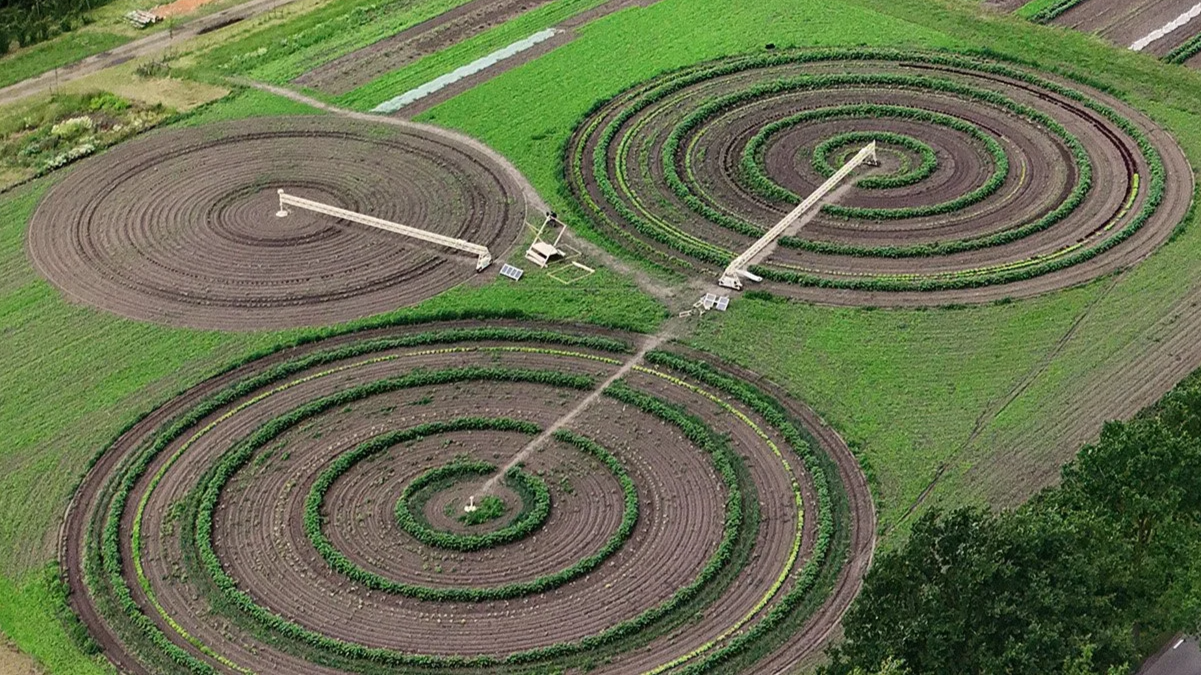
In 2025, 3 circles were installed at different locations with an enlarging arm of 15 meters.
In 2026 The interaction between the circles, the different sizes of circles and the various further developed tools will be further tested. This year, we will also work with sensors and cameras for safety, recognizing and measuring biodiversity and gently chasing away unwanted guests such as pheasants. We hope to support the first farms with their Circlefarm installations and that Circlefarming can really contribute to their business model.